Logan Schmid · 7 September 2026
Unraveling the Effects of Structured Content Organization on Search Visibility in Online Platforms
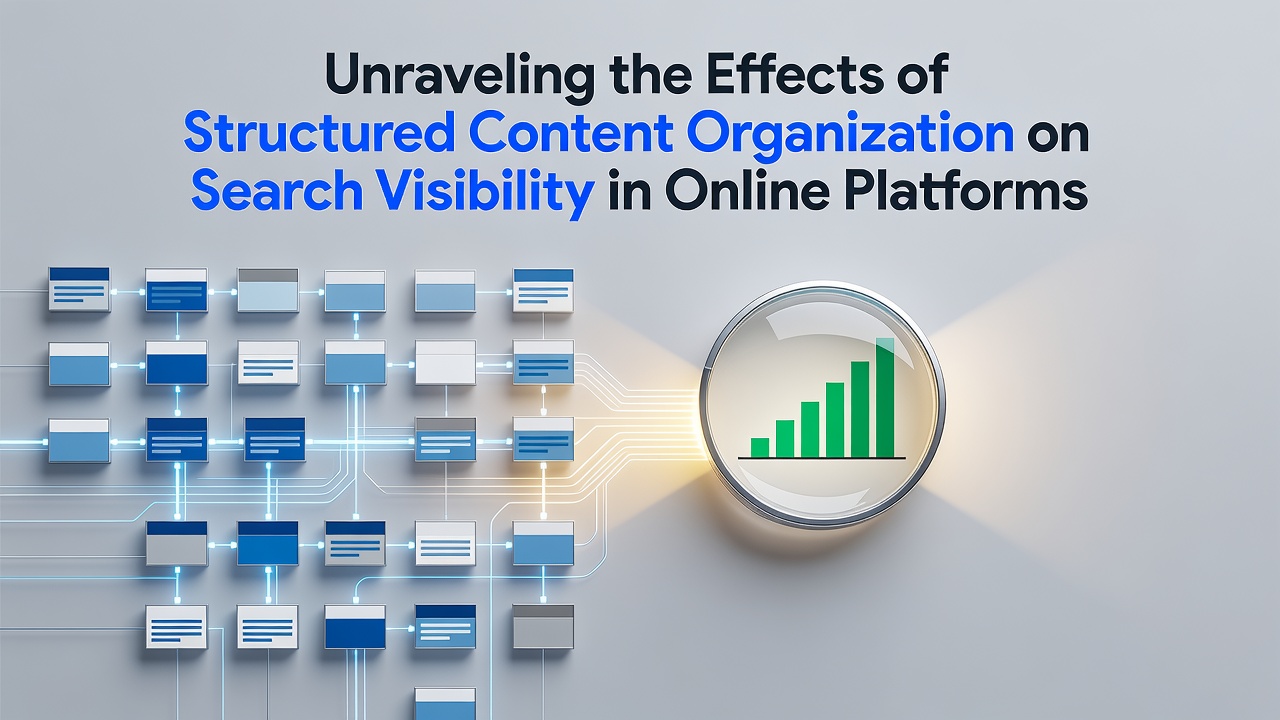
Structured content organization refers to the deliberate arrangement of website elements through clear headings, schema markup, internal linking patterns, and sitemap files that guide how search engines process information, and researchers have documented measurable shifts in how platforms rank pages when these elements receive consistent attention. Data from multiple industry analyses shows that pages with hierarchical heading structures and properly implemented schema experience higher rates of rich result appearances in search listings compared to those without such organization.
How Search Engines Process Organized Content
Search engine crawlers rely on explicit signals such as HTML heading tags, structured data vocabularies from Schema.org, and XML sitemaps to determine page relationships and topical relevance, while studies indicate that well-formed content hierarchies allow algorithms to allocate crawl budget more efficiently across large sites. Observers note that platforms using consistent internal linking from pillar pages to supporting content often see faster indexing of new material, particularly when anchor text reflects semantic connections rather than generic phrases.
According to findings released by researchers at the University of Melbourne in 2025, sites that adopted comprehensive schema markup for articles and products recorded a 23 percent increase in indexed pages within six months, and those results aligned with patterns observed in earlier examinations of e-commerce platforms. The implementation of structured data also correlates with eligibility for enhanced search features including knowledge panels and carousels, which in turn influence click-through rates reported in webmaster tools.
Visibility Metrics and Ranking Correlations
Figures from large-scale platform audits reveal that content organized with clear topic clusters and descriptive metadata tends to maintain steadier positions in search results during algorithm adjustments, whereas disorganized pages frequently drop in visibility after core updates. In September 2026, analysts tracking European digital markets reported that websites applying structured organization principles experienced fewer ranking fluctuations following refinements to indexing systems, suggesting that explicit content mapping provides a buffer against volatility.
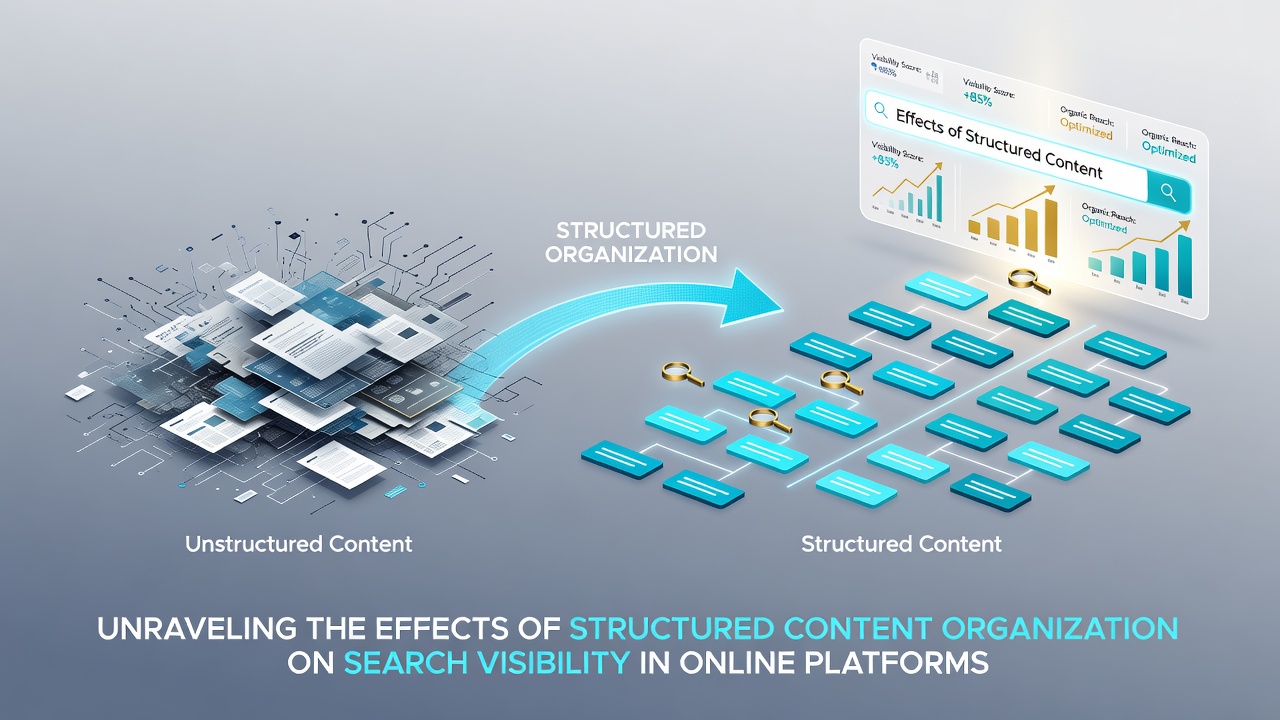
Those who examined clickstream data across thousands of domains found that pages featuring properly nested headings and entity-based markup attracted more referral traffic from informational queries, while sites lacking these elements showed lower dwell times and higher bounce rates in analytics reports. The reality is that structured organization does not guarantee top positions, yet evidence consistently links it to improved crawl efficiency and richer presentation in results pages.
Regional Studies and Platform-Specific Observations
Reports compiled by the Canadian Digital Service highlight how government and educational sites that adopted standardized content templates saw measurable gains in discoverability across regional search environments, and similar patterns emerged in analyses of Australian online service directories. Researchers discovered that platforms incorporating location-specific schema attributes recorded higher appearance rates in localized search results, particularly when combined with accurate sitemap submissions that reflected actual page hierarchies.
One study of university websites demonstrated that reorganization of faculty pages under clear departmental headings and course schema led to a documented rise in organic impressions tracked through search console data over a twelve-month period. Observers tracking these changes noted that the improvements appeared most pronounced on queries involving entity recognition, such as names of programs or researchers, where structured data helped search systems connect related content without ambiguity.
Practical Implementation Patterns
Developers and content teams who apply structured organization typically begin with audits of existing heading usage and schema coverage, then proceed to map content relationships using tools that generate visual site architectures. Evidence suggests that gradual rollout of markup across priority sections yields more sustainable indexing improvements than wholesale changes that risk introducing errors in structured data validation.
Platforms that maintain updated sitemaps and monitor crawl statistics through official webmaster interfaces often identify orphaned pages more quickly, allowing corrective linking that restores visibility to valuable but previously under-indexed material. Data indicates that these maintenance practices, when paired with consistent use of descriptive anchor text, contribute to stronger topical authority signals over time.
Conclusion
The documented effects of structured content organization on search visibility rest on measurable interactions between site architecture and crawler behavior, with multiple studies confirming correlations between hierarchical markup and improved indexing outcomes across diverse platforms. Continued examination of these relationships, including observations from September 2026 onward, will likely refine understanding of how explicit content signals influence long-term discoverability in evolving search environments.