Zara Hansen · 2 November 2026
The Hidden Dynamics of Real-Time Annotation Layering Across Distributed Team Workspaces
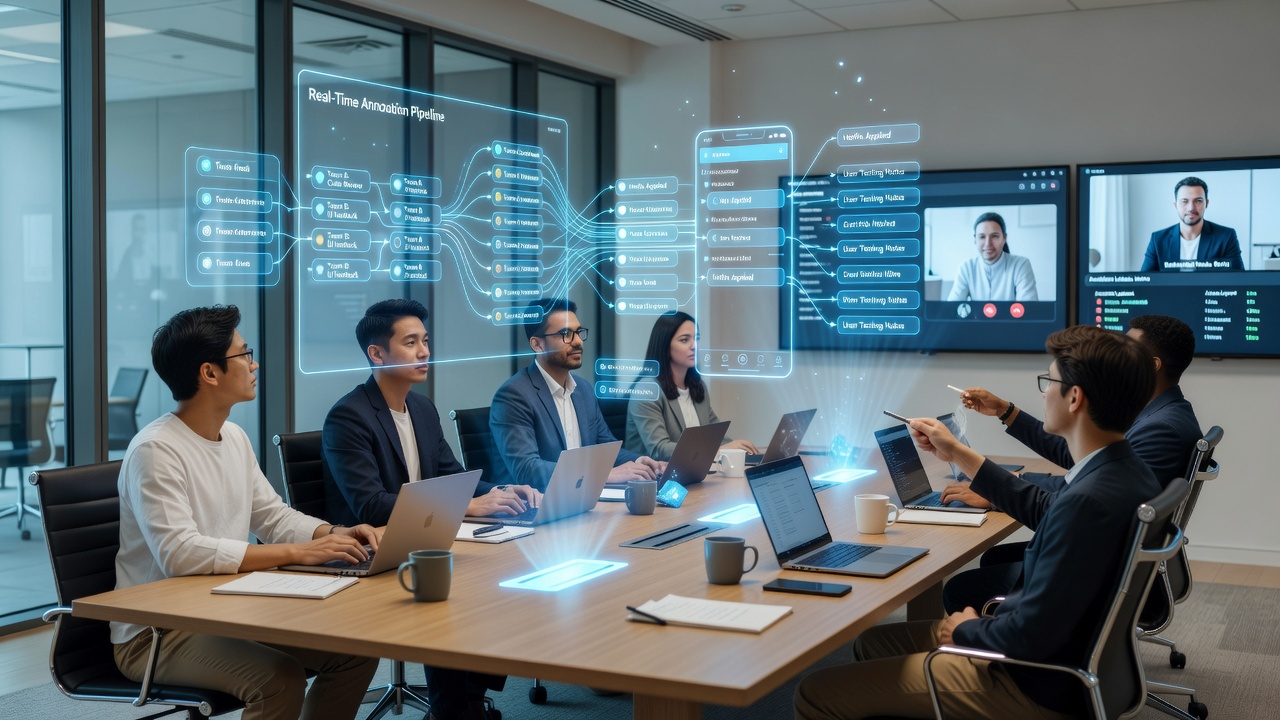
Real-time annotation layering refers to the process where multiple users add, edit, and view overlapping comments, highlights, and markers on shared documents while changes synchronize instantly across locations, and observers note that this approach supports teams spread across time zones without requiring constant meetings. Data from collaborative software platforms shows that such systems rely on underlying protocols to manage concurrent inputs, whereas latency issues can create temporary mismatches in what different participants see at any given moment.
Core Mechanisms Behind Layer Synchronization
Systems handle annotation layers through operational transformation techniques that resolve conflicts when two users modify the same section simultaneously, and research indicates these methods preserve the original intent of each contribution while merging them into a single coherent view. In distributed environments, each layer carries metadata that tracks authorship, timestamp, and visibility permissions, which allows teams to filter annotations by role or project phase without disrupting the base document structure.
Engineers at institutions such as the University of Toronto have examined how vector clocks help maintain order across nodes, and figures reveal that even brief network partitions can lead to divergent layer states until reconciliation occurs. Those who study these patterns observe that the ball remains in the hands of the platform's conflict resolution algorithms during high-traffic periods, while users continue working on their local copies.
Visibility and Access Controls in Practice
Access rules determine which annotations appear for specific team members, and studies from Australian research centers indicate that role-based layering reduces information overload by 30 percent in large projects. One case involved a product development group where designers viewed only visual markup layers while engineers accessed technical notes, yet both groups operated on the identical underlying file.
What's significant is how these controls extend to external collaborators, because granular permissions prevent sensitive feedback from reaching unauthorized eyes while still enabling real-time input. Platforms update these settings dynamically as team compositions shift, and data shows fewer permission-related errors when automated rules replace manual adjustments.
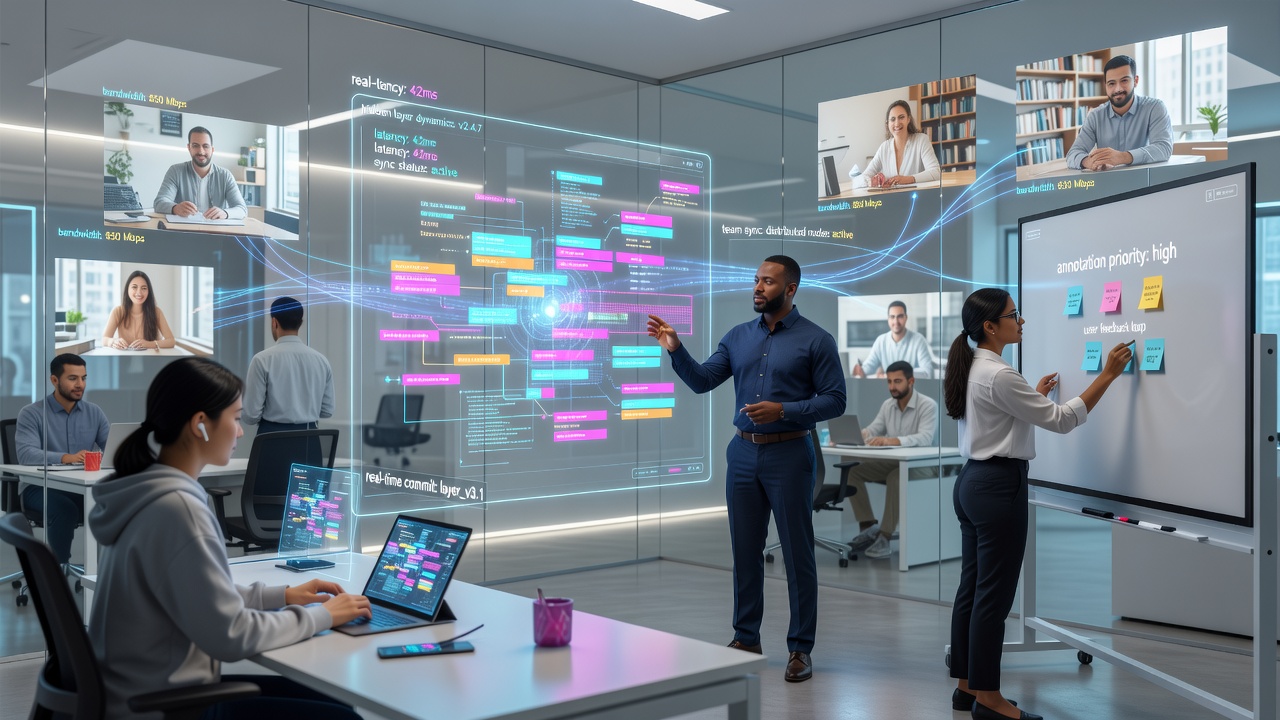
Observers note that November 2026 brings scheduled releases for several enterprise tools that promise improved cross-layer search functions, allowing users to query annotations across historical versions rather than only the current state. Such capabilities build on existing version trees that already record every addition or deletion as a separate branch until merged.
Latency Effects and Conflict Resolution Patterns
Network delays introduce temporary inconsistencies where one participant sees an annotation that another has already edited, and evidence from industry reports suggests that most platforms buffer these changes locally before broadcasting updates. Teams working across continents experience longer reconciliation windows, yet the underlying algorithms prioritize preserving individual contributions over immediate uniformity.
Researchers discovered that when conflicts arise, systems often present side-by-side previews so participants can choose merges manually, and this approach appears in documentation from the IEEE Computer Society's collaborative computing working groups. People who've managed such workspaces report that training sessions focused on these preview tools cut resolution time by measurable margins.
But here's the thing: the hidden aspect lies in how layers interact with search indexes, because annotations added in real time must update global indices without exposing draft content to unauthorized queries. Academic papers from Canadian universities detail indexing strategies that separate public and private layers until final publication.
Emerging Standards and Integration Trends
Industry organizations including the Object Management Group have proposed common formats for annotation metadata that would allow tools from different vendors to exchange layers seamlessly. Adoption remains gradual, yet pilot programs demonstrate reduced friction when teams switch between platforms mid-project. External integrations with project management suites now pull annotation summaries into status reports automatically, and statistics from European digital innovation reports track steady growth in these connections.
Distributed teams also benefit from mobile access points where annotations sync via cellular networks, though experts highlight that bandwidth constraints can delay layer updates during peak hours. Solutions under development focus on progressive loading that prioritizes critical annotations first, and tests conducted by research labs show measurable improvements in perceived responsiveness.
Conclusion
The dynamics of real-time annotation layering continue to evolve as distributed teams adopt more sophisticated synchronization methods and permission models. Ongoing work at various research institutions points toward tighter integration with artificial intelligence that could suggest layer groupings or flag potential conflicts before they occur. As platforms prepare updates scheduled for late 2026, the emphasis remains on maintaining accuracy and accessibility across all participants regardless of location or connection quality.